
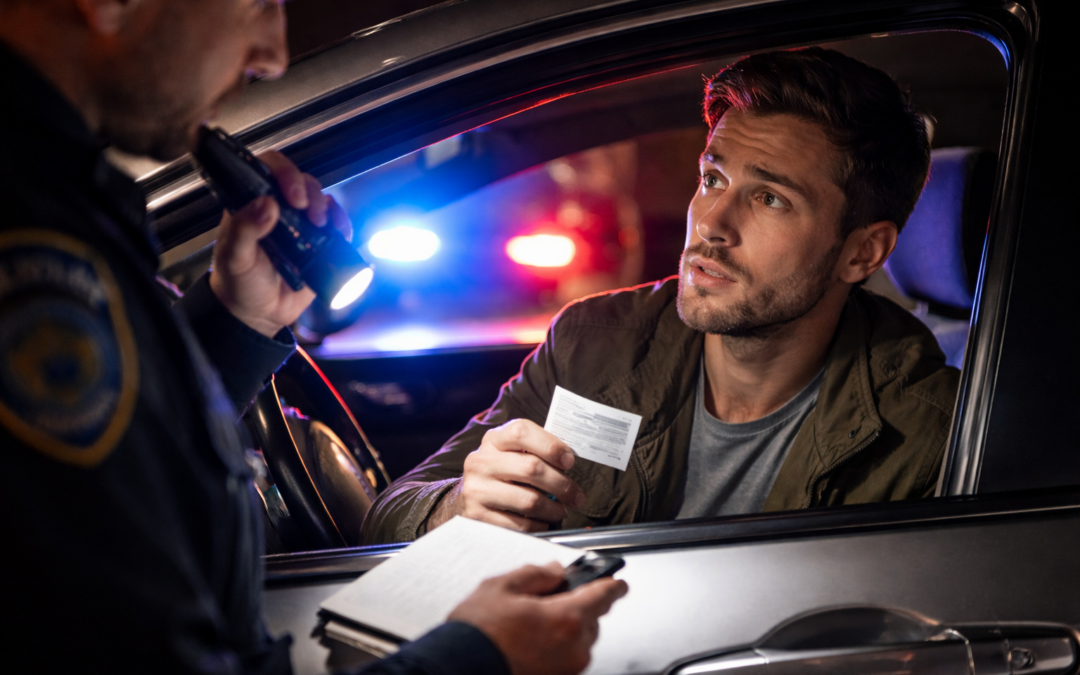
Most people think cooperating during a DUI stop means answering every question. It feels like the polite or smart thing to do, especially when you are nervous or caught off guard. That instinct to talk can seriously backfire.
A skilled DUI attorney in Mill Valley, CA, like Mark Malachowski, understands that silence is often your strongest move. The more you say, the more you risk giving police exactly what they need to build a case. This is not about hiding something, it is about protecting yourself in a high-pressure moment.
Here are the reasons answering questions during a DUI stop can do more harm than good.
Key Takeaways
- Talking during a DUI stop can hand officers the very evidence they need to charge you.
- Even small, honest answers can be twisted to support a narrative that works against you.
- Staying silent is not suspicious, it is a smart and legal way to protect yourself.
Talking Triggers a Chain Reaction You Can’t Control
Speaking during a DUI stop can shift the situation quickly. Once you respond, the officer often feels encouraged to continue asking questions. A short stop can turn into a long and stressful experience before you realize it.
Each answer gives the officer more room to expand the stop. They might bring in more officers or begin tests based on what you said. The more it grows, the less control you have over what happens next.
You Could Unknowingly Confirm a Timeline That Hurts You
Casual answers can quietly lock you into a timeline that works against you. When an officer asks where you were or when you had a drink, they are filling in gaps to support a case. Even a simple estimate about the time can be used to suggest you were impaired while driving.
Many drivers believe being open will clear things up faster. In truth, your statements can give structure to an accusation that did not previously exist. An experienced DUI attorney in Mill Valley, CA, knows that limiting what you say can prevent your own words from becoming key evidence.
Silence Limits the Officer’s Ability to Justify a Search or Arrest
Every word you say can give an officer a reason to keep digging. Talking during a DUI stop can give them small clues they turn into bigger claims. Staying silent keeps the focus on what they can actually prove, not what you accidentally admit.
An officer needs a clear reason to search your car or take things further. When you stay quiet, you give them fewer chances to say they had a reason to act. This helps protect your rights and keeps the situation from growing worse.
Protect Yourself With the Help of a DUI Attorney in Mill Valley, CA
Silence during a DUI stop is often the smartest move you can make. The less you say, the fewer opportunities there are for your words to be used against you later. Mark Malachowski knows how to challenge weak evidence and stand up for your rights when it matters most.
Frequently Asked Questions
Can answering police questions during a DUI stop lead to arrest?
Yes, even casual or honest answers can give police enough reason to continue the investigation or make an arrest. Officers are trained to listen for anything that supports a DUI charge, no matter how small it seems.
What should I say if an officer asks if I’ve been drinking?
You are not required to answer that question, and staying silent is within your legal rights. Admitting to drinking, even just one, often gives officers the green light to start DUI testing.
Why do police ask so many questions during a DUI stop?
Their goal is to gather information that supports their suspicion and builds a case. The more you talk, the easier it is for them to find something they can use against you.
Recent Comments